
3 razones por las que los sistemas de bicicletas compartidas son fiables y resilientes
24 julio 2026 — Miradas sobre el sectorMiradas sobre el sector
Hacer que los sistemas de bicicletas compartidas sean más sostenibles no se reduce a una sola iniciativa. Se refleja en cómo se diseñan y construyen los vehículos, cómo se gestionan los repuestos y cómo se llevan a cabo las operaciones. Estas son algunas de las iniciativas de sostenibilidad en las que se centra el equipo de Lyft Urban Solutions (LUS), desde nuestro laboratorio de bicicletas hasta las calles de la ciudad.
Una de las formas más eficaces de reducir el impacto medioambiental es prolongar la vida útil de la flota existente. Esto comienza en la fase de diseño, donde los componentes se diseñan y se someten a rigurosas pruebas para que resistan años de uso compartido y continuo antes de llegar a las calles.
Ese enfoque también se extiende más allá del diseño y la ingeniería. Nuestro equipo invierte sistemáticamente en programas de reparación y actualización que reacondicionan componentes electrónicos de alto valor, con miles de piezas ya actualizadas en los mercados estadounidenses donde LUS opera sistemas de bicicletas compartidas (Nueva York, Chicago, el Área de la Bahía, Washington D. C., Boston y Portland).
Esto es posible gracias a nuestro hardware modular: los componentes individuales pueden sustituirse sin necesidad de retirar el vehículo. Los modelos de bicicletas de LUS también comparten piezas comunes que son intercambiables en toda la flota, lo que minimiza las operaciones de mantenimiento.
Las baterías de las bicicletas eléctricas siguen el mismo principio de diseño modular y respetuoso con el medio ambiente. Algunos componentes ya pueden repararse en lugar de sustituir la batería completa. Un nuevo programa permite cambiar el conector que une la batería a la bicicleta, prolongando significativamente su vida útil sin afectar al rendimiento de carga.
El objetivo final: lograr más kilómetros por cada bicicleta y más tiempo rodando por las calles de la ciudad.
Cuando los componentes modulares llegan al final de su vida útil, la forma en que se gestionan es clave. Las baterías de las bicicletas eléctricas pasan por un proceso de reciclaje certificado. En EE. UU., LUS colabora con Redwood Materials para reciclar las baterías de iones de litio, que se trandforman en «masa negra» para recuperar materiales valiosos como el litio, el cobalto y el níquel.
Además del reciclaje de baterías, otros componentes de alto valor también evitan el vertedero. Los motores de nuestras bicicletas eléctricas plateadas desplegadas en los mercados operados por LUS en EE. UU., por ejemplo, contienen componentes que se reacondicionan para seguir en uso o se reciclan cuando es posible.
En Canadá, este trabajo ha sido reconocido: nuestra instalación de Longueuil recibió en 2025 el premio «2025 Leaders in Sustainability» de Call2Recycle Canada por sus prácticas responsables de gestión de baterías.
Los sistemas también se operan en el día a día con la sostenibilidad en mente.
En las ciudades donde las estaciones están conectadas a la red eléctrica, las bicicletas se cargan directamente en el punto de anclaje. Esto reduce la necesidad de vehículos para gestionar la logística de baterías, que puede representar más del 25 % de los costes operativos en sistemas que dependen de intercambios manuales. También disminuye la manipulación física de las baterías, contribuyendo a una mayor vida útil de los componentes.
El impacto también se refleja en el rendimiento del sistema. En Zaragoza, España, la electrificación del 40 % de las estaciones elevó la disponibilidad de las bicicletas eléctricas al 95 %. En Barcelona, la electrificación total de las estaciones de la red Bicing eliminó por completo los cambios de batería sobre el terreno. LUS está colaborando con ciudades y operadores para conectar más estaciones a la red eléctrica, ampliando la infraestructura que hace posible este cambio.
En los mercados donde LUS opera sistemas de bicicletas compartidas, realizamos reparaciones de bicicletas directamente en la calle gracias a mecánicos especializados sobre el terreno. Esto reduce la necesidad de retirar bicicletas y mejora la disponibilidad de la flota para nuestros usuarios.
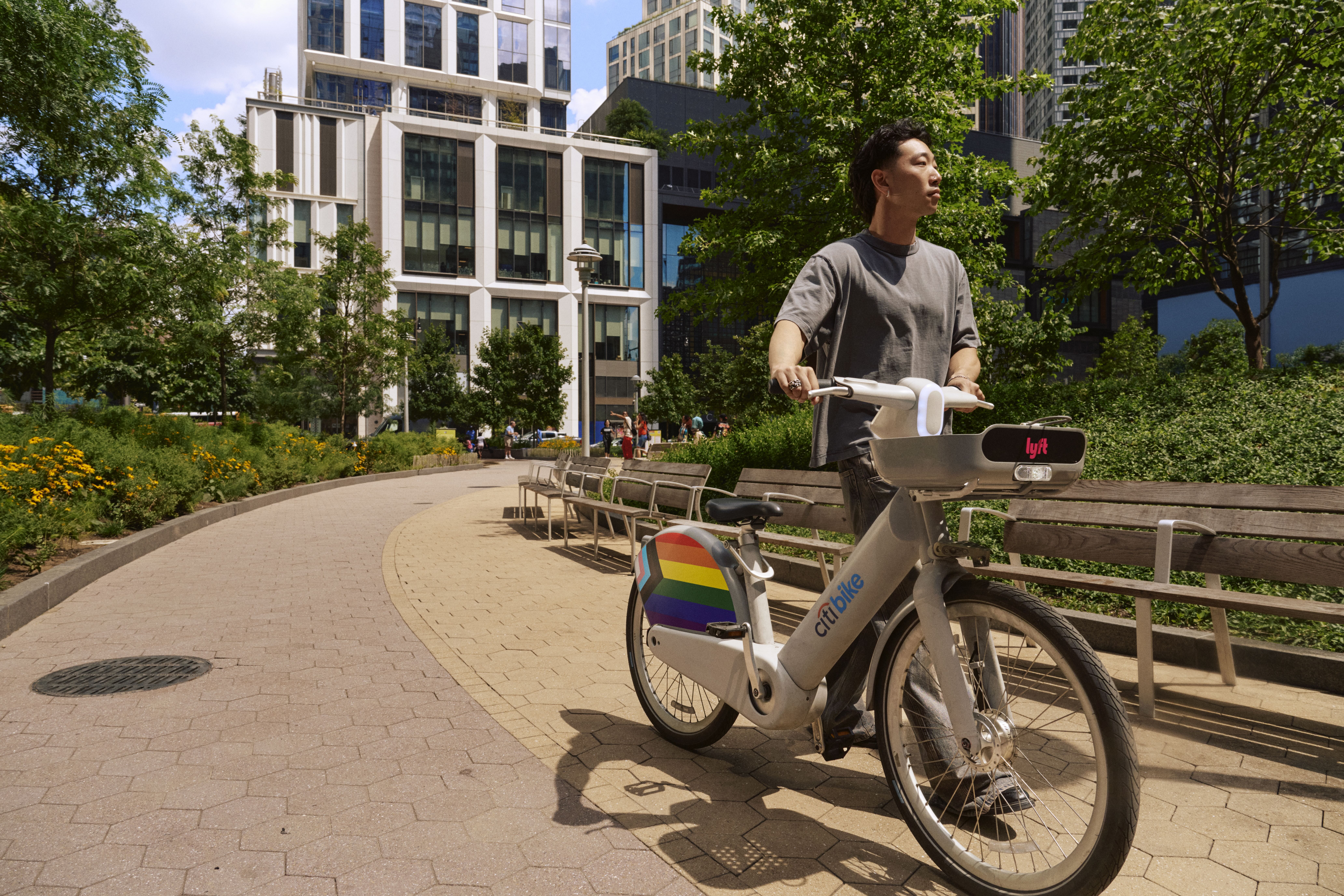
Mejorar el diseño y el funcionamiento de los sistemas contribuye, en última instancia, a un objetivo mayor: onseguir que más personas elijan la bici compartida en lugar del coche. Cuando las bicicletas están disponibles donde y cuando se necesitan, se convierten en una opción fiable para la movilidad diaria.
La distribución de la flota se optimiza continuamente para adaptarse a la demanda, garantizando que las bicicletas se concentren en las zonas de mayor uso. Esto mejora la disponibilidad y fomenta un uso más frecuente.
Las bicicletas eléctricas amplifican ese efecto, ampliando a quién puede servir el sistema de bicicletas compartidas y hasta dónde, con un crecimiento interanual del 47 % en el número de usuarios de bicicletas eléctricas en todos los sistemas impulsados por Lyft Urban Solutions a nivel mundial. A medida que aumenta el uso, el impacto se hace cuantificable: en los mercados operados por LUS en EE. UU., los usuarios afirman poseer casi un millón de vehículos menos gracias al acceso a la micromovilidad compartida.
Las bicicletas compartidas ya son una de las formas más sostenibles de desplazarse por la ciudad. El trabajo continuo entre equipos, socios y ciudades busca ir aún más lejos: cerrar el ciclo de los materiales, optimizar las operaciones y convertir la bici compartida en la opción más natural para cada vez más personas en más lugares a lo largo y ancho del mundo.


